
China Export vs CE Mark: A Throughout Comparison
Key takeaways
- The CE Mark is an official European conformity marking that confirms a product meets EU safety, health, and environmental protection standards. It is legally required for many regulated goods entering the European Economic Area and must be backed by proper documentation and compliance testing.
- The China Export symbol looks similar but has no regulatory meaning. It does not certify product safety or EU compliance, it simply indicates that the item was manufactured in China, leading to frequent confusion in global trade.
- The main China export vs CE mark difference lies in purpose and design: the CE Mark is a legally enforced compliance declaration with defined spacing between letters, while the China Export mark compresses the letters and carries no safety assurance.
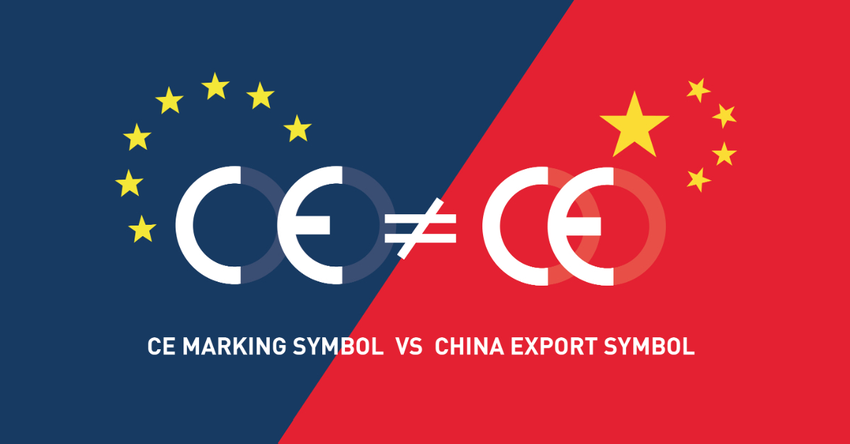
What Is The CE Marking?
The CE mark (Conformité Européenne) is a legally required conformity marking for products entering the European Economic Area (EEA).
When a manufacturer or importer places this marking on a product, they are officially declaring that it meets all EU requirements for safety, health, environmental protection, and technical performance. This declaration is legally binding and backed by documentation.

CE marking applies to many regulated categories, including:
- Machinery and industrial equipment
- Electrical and electronic devices
- PPE, toys, and children's products
- Medical devices and construction materials
A CE mark does NOT mean the product was made in Europe, it only confirms legal compliance. Importers carry the responsibility for ensuring this compliance through documentation checks, verified testing, and alignment with EU directives. Without these steps, the CE marking cannot be considered legitimate.
What is the China Export Marking?
The China Export marking looks almost identical to the CE mark, but it serves a completely different purpose. It does not certify safety, does not confirm compliance with EU directives, and does not indicate that a product has been tested or inspected in any way. It is simply a mark of origin, showing that the product was manufactured in China.
Because the symbol closely resembles the European CE mark, many consumers, and even experienced buyers, mistake it for legitimate EU conformity. This confusion becomes especially risky in categories where CE compliance is mandatory, such as:
- Industrial machinery
- Household electrical appliances
- Children’s products and toys
The similarity has caused years of misunderstanding in global trade. One symbol represents documented safety and legal conformity; the other represents nothing beyond manufacturing origin. Recognizing the difference is essential for avoiding compliance mistakes and ensuring products meet the required standards for regulated markets.
When the China Export vs CE Mark symbols look almost identical, you need to be precise, especially for products that must meet EU safety rules. This is where yTrade becomes a necessity. With one single platform, you can:
- Confirm supplier legitimacy instantly, ensuring you’re not sourcing from exporters flagged on sanctions or restricted-party lists.
- Detect CE-related risks early, such as suppliers shipping CE-regulated goods without a history of exporting to compliant markets.
- Stay aligned with fast-changing rules, so you always know when genuine CE certification is required, and when a China Export symbol puts your shipment at risk.
For businesses importing electronics, machinery, PPE, toys, or any CE-regulated product, yTrade gives you the certainty you need to avoid costly compliance mistakes before they happen. Visit us to find more details!
Key Differences Between China Export vs CE Mark
Although the markings share similar lettering, the China export vs CE mark difference becomes clearer when examining the design rules and the intent behind each symbol.
| Criteria | CE Mark (European Conformity) | China Export Mark |
|---|---|---|
| Purpose | Certifies that a product complies with EU safety, health, and environmental regulations. | Indicates only that the product was manufactured in China. |
| Legal Basis | Required under EU directives and regulations for products sold in the EEA. | No legal framework — not tied to any safety or regulatory standards. |
| Required Documents | Declaration of Conformity, technical file, testing reports, compliance records. | None — no documentation associated with the symbol. |
| Market Access | Mandatory for entering the European Economic Area and certain partner markets. | Does not grant access to regulated markets; provides no certification. |
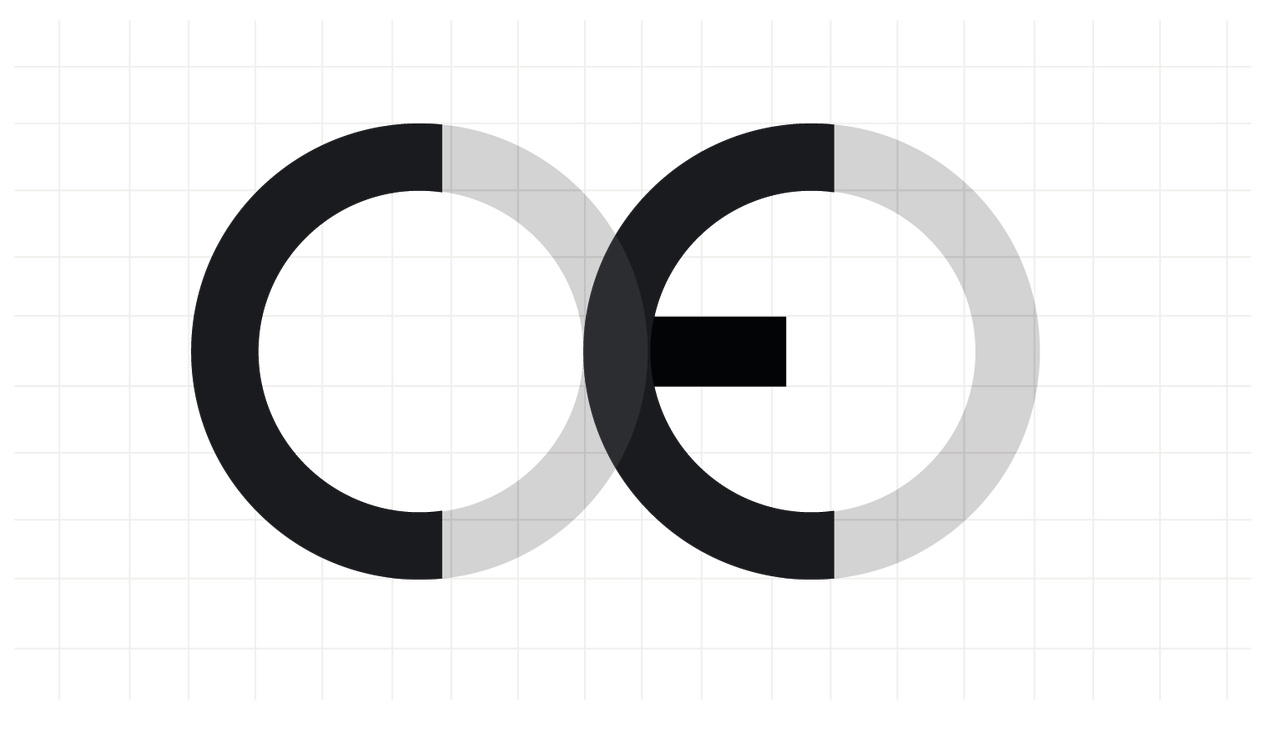
| Visual Spacing | Defined proportional spacing; letters do not touch. | Letters appear closer or nearly touching with reduced spacing. |
| Compliance Responsibility | Manufacturer or EU importer assumes legal responsibility. | No compliance obligation or liability tied to the symbol. |
The key difference is that the CE mark is a regulated compliance certification required for EU market access, while the China Export symbol is merely an origin mark with no safety or regulatory meaning.
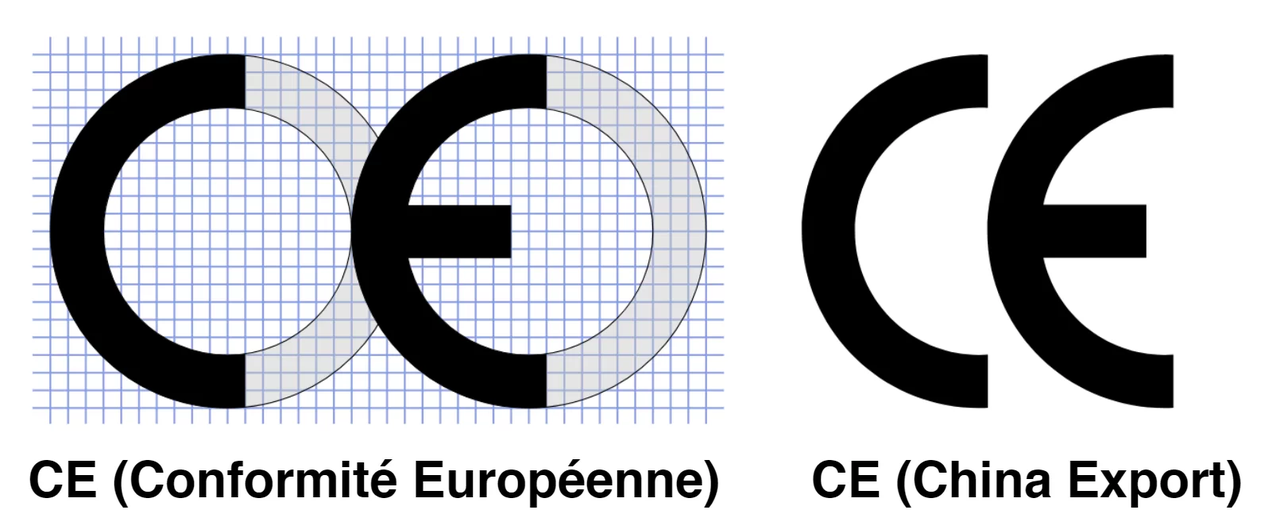
1. Visual Difference
Both China export vs CE mark must follow certain basic requirements such as legibility, visibility, and minimum size. However, the spacing between the letters is the defining visual clue:
- European CE mark: The “C” and “E” maintain a defined geometric distance, ensuring the proportions match EU guidelines.
- China Export mark: The two letters are placed much closer together, often appearing compressed or nearly touching.
Once you know this spacing detail, distinguishing the two becomes far easier, especially when examining products like small electronics or machine components where the marking may be printed at minimal size.
2. Regulatory Difference
The CE mark is legally backed by:
- A Declaration of Conformity
- Testing or assessment depending on the directive
- Traceability and documentation requirements
- Oversight by importers and, for certain products, notified bodies
On the other hand, the China Export mark:
- Has no legal standards
- Does not relate to EU directives
- Requires no supporting documents
- Does not involve testing, certification, or audits
Because the CE mark directly affects market access, and because non-compliant goods can be removed from the market, fined, or recalled, the distinction between the two China export vs CE mark must be clear to any importer sourcing from China.
3. Practical Difference for Traders
Markets like the EU enforce strict product safety rules. For regulated categories, using the wrong marking can lead to serious operational consequences:
- Products may be seized at customs
- Distributors may be forced to withdraw goods from sale
- Importers may face fines or liability for safety risks
- Retailers may lose trust or refuse future shipments
- Consumers may be exposed to hazards
This is most common in categories such as electrical devices, toys, PPE, and industrial machinery, where CE marking is essential for ensuring that risks like fire, electrical shock, mechanical failure, or chemical hazards are controlled.
For this reason, traders should never make assumptions based solely on the marking printed on the product. Verification must extend beyond design and into documentation and supplier reliability.
How Traders Can Identify and Verify the Marking Properly
Understanding the China Export vs CE Mark difference is only useful if traders apply it consistently during procurement. In practice, verification involves a combination of visual inspection, documentation review, and supplier evaluation.
1. Begin with a Clear Visual Check
The spacing of the letters is the first indicator. If the characters appear compressed, nearly touching, or misaligned, the marking is likely China Export or a noncompliant reproduction. Consistency also matters, if markings vary between units, that is a red flag.
Even with careful marking checks, many sourcing risks come from broader compliance gaps rather than the symbol alone. Issues like incorrect HS codes, valuation mistakes, or incomplete screening often cause far more delays and penalties than traders expect.
If you want a deeper look at the pitfalls that commonly disrupt shipments, see our breakdown of Common Mistakes in Trade Compliance, a helpful reference for strengthening day-to-day verification across your supply chain.
2. Review Documentation for Genuine CE Compliance
A real CE marking is always backed by specific evidence. Importers should request and evaluate:
- Declaration of Conformity naming the applicable directives
- Test reports from accredited laboratories
- Technical documentation matching the exact model being sourced
If documents appear vague, incomplete, or recycled across different models, the marking should be treated as unreliable.
3. Assess Supplier Practices and Reliability
Suppliers that take compliance seriously generally:
- Conduct both internal and external audits
- Maintain structured quality-control systems
- Provide documentation quickly and accurately
- Have experience exporting to regulated markets
Suppliers that avoid specifics, provide inconsistent files, or cannot explain their compliance route typically carry higher risk.
4. Strengthen Verification Through Trade Activity Insights
Even with a clean marking, proper documents, and reassuring communication, there’s still one question importers struggle with: Does the supplier actually behave like a company capable of producing CE-compliant goods?
This is where examining trade activity becomes a crucial final step.
Instead of relying solely on what a supplier claims, importers can look at how the company operates across borders, which markets they regularly ship to, what product categories they handle, and whether their export patterns align with industries that require strict safety standards.
This broader context helps you:
- Recognize suppliers with a proven track record, especially those consistently exporting to countries where CE compliance is standard practice.
- Spot unusual behavior, such as a supplier suddenly offering CE-regulated products despite having no history in that category.
- Understand whether their shipments match the type, volume, and complexity you would expect from a manufacturer capable of meeting EU-level requirements.
- Identify suppliers whose trade patterns raise questions, allowing you to investigate deeper before committing.
Modern trade intelligence platforms like yTrade make this process easier by giving you visibility into shipment history, trade lanes, and counterparties, but the underlying goal remains the same: Validate the story behind the CE marking, not just the marking itself.
In a market where symbols can be copied and documentation can be polished, real trade behavior becomes one of the strongest indicators of genuine compliance. It adds a layer of factual assurance that paperwork alone cannot provide, helping you avoid risky suppliers long before issues reach customs or the market.
Conclusion
The difference between the two markings comes down to meaning, legality, and safety. The CE Mark is a formal declaration that a product meets EU standards for health, safety, and environmental protection, supported by documentation and oversight.
The China Export mark, however, simply indicates origin and offers no compliance assurance. Their similar appearance often misleads buyers, but the China export vs CE mark has real consequences: importing the wrong marking can lead to customs issues, recalls, and safety risks. Understanding how to identify and verify each symbol is essential for anyone sourcing products in global trade.
Frequently Asked Questions
Q1: What is the difference between the CE and China Export symbol?
- The European CE mark is a legally required conformity symbol that confirms a product meets all EU safety, health, environmental, and performance standards. It must be supported by a Declaration of Conformity, testing documentation, and traceability.
- The China Export symbol, however, does not indicate compliance with any regulation. It simply means the product was manufactured in China. The visual spacing is the main clue: the real CE mark has defined geometric spacing, while the China Export mark places the letters much closer together.
Q2: What is the CE equivalent in China?
China does not have an official equivalent to the European CE mark. The “China Export” logo is not a certification and carries no safety, quality, or compliance meaning. It is only a mark of origin. Any product sold in the EU must still meet EU directives and carry a legitimate CE mark backed by proper documentation, regardless of where it is manufactured.
Q3: How can I visually identify a fake CE marking?
A genuine CE mark has defined geometric spacing, where the “C” and “E” maintain proportional distance and do not touch. Fake or misleading versions often show compressed letters, inconsistent width, or irregular alignment across the same product line.
Q4: Is the China Export mark legal?
Yes — the China Export mark itself is legal, as it simply indicates the product was produced in China. However, it does not replace CE certification and cannot be used to claim compliance with European safety standards.
Q5: Can products with the China Export mark be sold in the EU?
Products that only bear the China Export symbol cannot be sold in the European Union if they fall under directives requiring CE marking. They must undergo proper testing, risk assessment, and documentation to carry a legitimate CE mark before entering the EU market.
Q6: What documents prove a genuine CE mark?
A legitimate CE marking is supported by:
- Declaration of Conformity
- Technical documentation (technical file)
- Test reports from accredited laboratories
- Evidence of compliance with specific EU directives
These documents must match the exact product model being placed on the market.
China Export vs CE Mark: A Simple Explanation & Latest Evaluation
Discover the definition of international trade agreements and how they reduce barriers, promote economic growth, and harmonize global standards for fair, transparent cross-border trade.
Coal Export 2023: Market Shift
Track global coal export trends for HS Code 2701 on yTrade. Indonesia dominates supply, while India and China drive demand amid volatile pricing and tight market control.
